Summer camps offer a wide range of multi-adventure activities that build social skills and independence in a safe setting. They include outdoor sports, excursions, watersports and group games, and there are options for every age, from children and teenagers to adults and families.
When choosing one, the things that matter are the location, the programme, the facilities and the camp’s track record. Good preparation, talking to the camp staff and a willingness to get on with the others do the rest.
The activities
Sport outdoors
At multi-adventure camps such as Aventurama, outdoor sport is the core of it: walking, mountain biking, rock climbing and archery. All of it puts children outdoors and builds endurance, coordination and balance.
Excursions and walking
These let campers explore what is around them. Along routes set out in advance they see the landscape, learn about the local plants and animals and develop a sense of exploration — as well as a respect for the environment.
Watersports
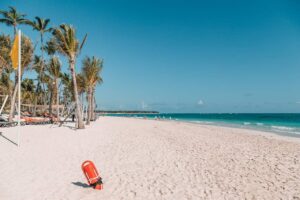
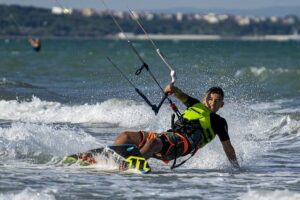
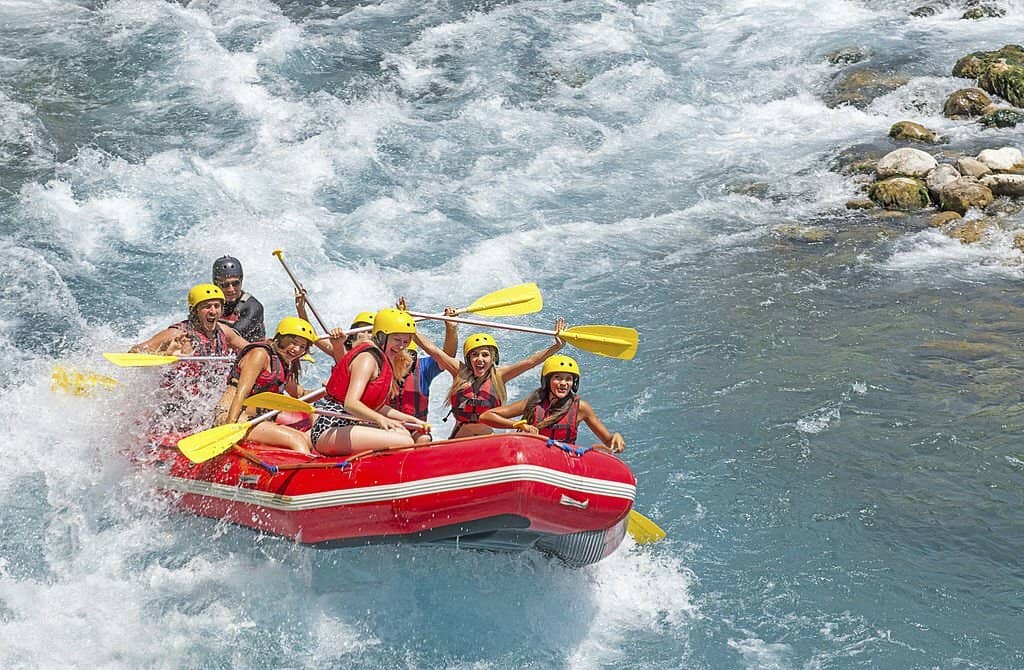
Kayaking, paddleboarding, rafting and swimming in rivers or lakes. Besides cooling everyone down, they build water skills, teamwork and a certain amount of nerve.
Group games
These are essential to a summer camp. They let children socialise, work together and learn to communicate. From trust games to problem-solving challenges, they build cooperation and camaraderie.
How to choose the right camp
Several things matter when choosing a camp for yourself or your children. Here is what to look at:
Location and setting
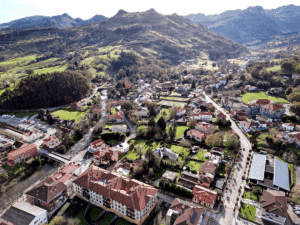
Where the camp is matters. Rural or urban, by the sea or in the mountains — think about what you want the experience to be. And make sure it is somewhere safe and easy to reach.
The programme
Go through it carefully. Look for a range that matches your interests and ability: outdoor sports, excursions and walking, watersports and group games.
Facilities and safety
Check that the camp has what it needs for a comfortable and safe stay: proper accommodation, common areas, play areas and space for the activities. It should meet the safety standards and have properly trained staff.
Track record
Look into the camp’s history. Read what other people say, or ask somebody who has been. Make sure they have experience running this kind of activity and a committed team.
How to get the most out of it
Preparation and packing
Prepare properly and make a list. Check the weather where you are going and pack clothes and footwear for each activity. Do not forget sun cream, insect repellent, a torch and a refillable water bottle, plus comfortable clothes, spares and toiletries.
Talking to the staff
Good communication with the camp staff is what makes the stay work. Before you go, make sure you have the timetable, the programme and the internal rules. If anything is unclear, ask. During the stay, keep talking to the monitors and the staff, tell them what you need and follow what they say.
Getting on with the others
One of the best things about a summer camp is the friends you make. Join in with the group activities, be willing to work as a team and respect the people around you. Take the chance to meet people with similar interests. That camaraderie is a large part of what makes the whole thing worth doing.