
ESEN

What to do in Kolkata and how to get around by metro

Kolkata has the oldest metro in India — 1984 — and one of the cheapest fares in the world. It also has a reputation as a difficult city. The second falls apart on day one; the first is the best tool you have for making that happen.

We were in Kolkata in February 2026Updated in 2026

One line that solves nearly everything

Five lines are in service, but for a visit the one that matters is the blue (Dakshineswar–Kavi Subhash): 26 stations running north to south under almost everything you will want to see. It is the original line, the 1984 one.

The green (Howrah Maidan–Salt Lake Sector V) is the new jewel: it crosses under the Hooghly river, something nobody in India had done, and connects Howrah railway station to the centre in minutes. The yellow reaches the airport.

The rest — purple and orange — serve southern and eastern neighbourhoods and you probably will not use them.

The key point: up on the street it is slow. Kolkata traffic turns four kilometres into forty minutes. Underground, those same four kilometres are eight minutes and thirty rupees. That is the entire difference between a day that works and one that does not.
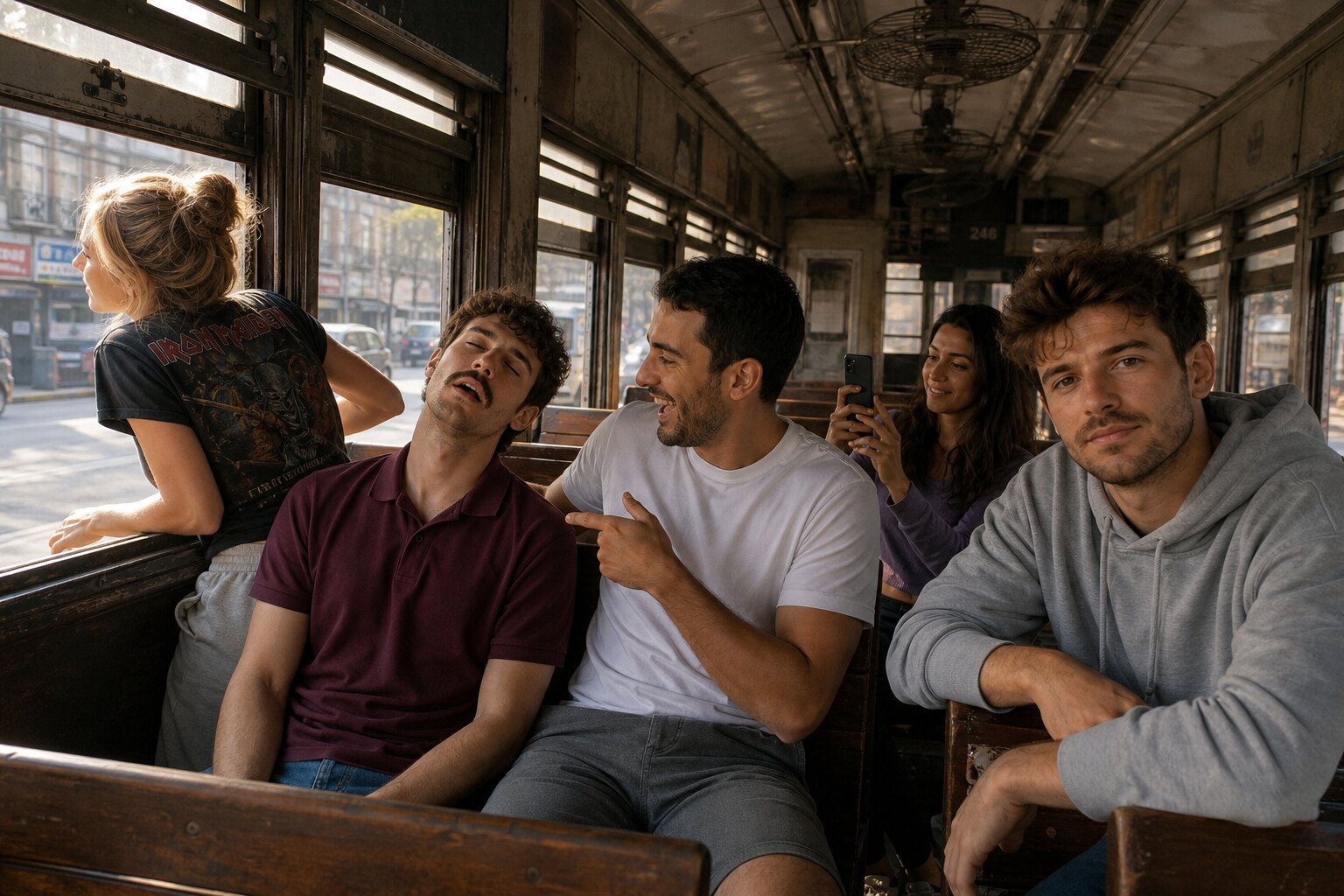
The team of GoRandom in Kolkata, in February 2026
The team in Kolkata, February 2026.

Seven things to do, and how to reach each one

Kolkata is not looked at, it is walked. These seven are the ones we think explain the city best.

1
The Victoria Memorial and the Maidan
The most excessive imperial marble the British left behind, surrounded by an enormous park where the city plays cricket, strolls and grazes goats. The museum is worth entering, but the real plan is sunset from the gardens.
B
Maidan — Ten minutes on foot. Rabindra Sadan, the next stop, works too.
2
Kumartuli, the district of the god-makers
Alleys of workshops where the clay figures of Durga and Kali are modelled for the festivals. The work happens in the open, doors wide, and you can walk among it. It is the most photogenic place in Kolkata and it costs nothing.
B
Shobhabazar Sutanuti — Ten minutes on foot towards the river. Better in the morning, when they are working.
3
The Howrah bridge and the Hooghly ghats
One of the busiest bridges on the planet, without a single bolt: it is all riveted. You cross it on foot — photography from the bridge is not allowed — and beside it is the Mullick Ghat flower market, which starts before dawn.
G
Howrah Maidan — The green line crosses under the river. The journey is part of the point: the first under-river tunnel in India.
4
College Street and the Indian Coffee House
A whole kilometre of second-hand book stalls, and in the middle the café where Satyajit Ray and several generations of students sat. High ceilings, slow fans and mediocre coffee that does not matter: you go for the room.
B
Mahatma Gandhi Road — Five minutes. You leave the metro and you are among the stalls.
5
The Kali temple at Kalighat
The temple that gives the city its name and one of the most important pilgrimage sites in Hinduism. It is intense, it is crowded and it is not a comfortable visit; it is also the most authentic thing you will see. Beware the "guides" who offer themselves at the gate.
B
Kalighat — Ten minutes on foot from the exit.
6
Dakshineswar, at the end of the line
A mid-nineteenth-century temple on the bank of the Hooghly, with twelve shrines around the main one, and opposite — across the bridge — the Belur Math. Half a day, and the contrast with the noise of the centre is welcome.
B
Dakshineswar — Northern terminus of the blue line. The station adjoins the complex.
7
The Park Street cemetery
A colonial cemetery from 1767 eaten by vegetation, with mausoleums that look like pyramids. It sits in the liveliest district in the city and almost nobody goes in. It is the quietest place in Kolkata.
B
Park Street — Eight minutes on foot along Park Street itself.

And the adventure we run here

Everything above you can do on your own with this page open. This other thing we build for you: the same idea as always — you do not know what you got until the day before — applied to Kolkata.

GO ORANGE
Dawn on the river, with no idea where you end up
The Go Orange version of Kolkata starts before the metro opens. We give you a meeting point by the Hooghly and from there we open the plan: it could be a rowing boat between the ghats with the mist lifting, it could be the flower market with the people unloading it, it could be both. You find out the day before.
  • The activity, booked and set up
  • A local guide
  • Insurance
  • A meeting point with a metro stop
Flights and accommodation are not included — you book those. When you pick your departure city we send you a rough estimate of what they cost. We are not a travel agency. How the process works, step by step.

You choose where you fly from and where you are going, and we tell you what the adventure costs and roughly what getting there would cost. Flights and accommodation you book yourself: we are not a travel agency and we do not want to be.

How the transport works, in four numbers

The fare goes by distance, in bands, and it is among the cheapest in the world: the longest journey on the network costs less than a coffee in Europe.

Single ticket
₹5 to ₹30
₹5 for one or two stations and up to ₹30 for the longest journeys. Bought as a token, as a QR in the app or with the metro card.
Smart Card
minimum ₹25 balance
To enter you need at least the maximum fare on the card; on exit it adjusts to the actual journey. Worth it from four or five rides upwards.
Hours
Mon–Sat 06:50–22:30 · Sun 09:50–21:30
On Sundays the service is reduced: it starts three hours later and finishes earlier. It is the fact that ruins the most plans.
Frequency
6–8 min at peak
On the blue line. The others are much more spaced out, between 15 and 25 minutes.
Source: Metro Railway Kolkata, via our Kolkata metro guide. Checked on 01 September 2026.

Sunday is the day to watch: with the metro starting at ten to ten, the morning is done by taxi or not at all. It is worth rearranging the itinerary around that.

If you want it line by line — which stations each one has, what is around every stop and how to work out a specific journey — we have all of it at our guide to the Kolkata metro. It is one of the sites we publish ourselves, and it is free.

From the airport to the centre

Netaji Subhas Chandra Bose airport has had a metro for a short while: the yellow line, four stations between Noapara and the terminal.

Yellow line + blue
₹5 to ₹30
50–60 min to the centre
From Jai Hind (Airport) to Noapara and change there to the blue line, which runs the length of the city. By a distance the cheapest option.
Prepaid taxi
variable
45–90 min
Booked at the terminal counter, at a fixed price. The time depends entirely on traffic, and Kolkata traffic is unpredictable.
With light luggage and in daylight, the metro. With big cases, at night or at rush hour, the prepaid taxi from the official counter and no negotiating on the kerb.
Source: Metro Railway Kolkata. Checked on 01 September 2026.

Four things you will be glad you knew

The best season is November to February
Outside those months the heat and humidity are genuinely hard going, and June to September is the monsoon. In January you walk the city in a thin jacket and you are grateful for it.
The metro has women-only carriages and queues
There are reserved spaces marked on the platforms. They are respected and it is worth looking before boarding.
The tram still runs and dates from 1902
Little of the network is left, but it is the oldest tram in service in Asia. A short ride costs a few rupees and is a plan in itself.
Carry small cash
The city leans heavily on UPI and cards, but street stalls, rickshaws and metro tokens are settled faster with small notes.

Frequently asked questions

Three full days cover the colonial axis, the northern workshops and temples, and a day of markets and food. With four you fit Dakshineswar and Belur without rushing.

Between ₹5 and ₹30 depending on distance: ₹5 for one or two stations and ₹30 for the longest journeys on the network. It is one of the cheapest metros in the world.

Yes, on the yellow line, which links Noapara with Jai Hind (Airport) station. From Noapara you connect with the blue line into the centre. With bulky luggage or in the small hours the prepaid taxi is still better.

It is one of the large Indian cities with the lowest rate of violent crime and it gives travellers no trouble. The usual applies: watch for scams at temple gates and for taxis without a meter.

September or October, depending on the lunar calendar. It is the city’s great festival and it transforms the place completely: pavilions in every neighbourhood, crowds all night and a metro running extended hours. If your dates coincide, go; if you want calm, avoid it.

And if you fancy being surprised?

This is what we do when we travel. The other thing we do is build adventures where you do not know which activity you got until the day before.

Danos tus datos y te llamaremos.